 Museum of Jewish History

Inici Exhibitions Core exhibition Highlighted items
Stones with a name: the gravestone collection
Hebrew inscriptions are a visible reminder of a world that has now disappeared, populated by people who are no longer here and of whom, in many cases, only the name remains. The late Jordi Casanovas, a specialist in Hebrew inscriptions, maintained that stones are a catalyst for memory and, although they may seem inexpressive, they actually tell us many things. As the prophet Habakkuk (7th century BCE) said: "The stones of the wall will cry out, and the beams of the woodwork will answer them.".
The gravestones from the Jewish cemetery bear the names of women and men who were members of the Jewish community of Girona between the 12th and 15th centuries. Reading these names, together with Irene Llop's research in the city's archival documents, has made it possible to uncover details of the lives of those buried on Montjuïc. The stones evoke Dolça, from the Ravaia family; Solomon Cabrit, from an old lineage of physicians; Estellina, who owned silver jewellery and one of the fortunes of the Jewish Quarter; Solomon, son of Rabbi Jucef ben Teca, who died at the age of twenty-two; Jucef, the charming child whose premature death must have broken his parents' hearts; En Caravida, a wealthy notable who may have been a physician or perhaps a merchant. The epitaphs mention prominent family names: Aninai, Astruc, Cabrit, Caravida, Des Mercadal, Ravaia, Salem and Saporta. Through the names of the people of the Jewish Quarter, these stones preserve Girona's Jewish memory as a treasured legacy.
The complete collection consists of 30 gravestones or fragments bearing epitaphs in Hebrew. Not all of them preserve a person's name. Where names have survived, research has enabled us to learn more about the lives of those individuals.
-
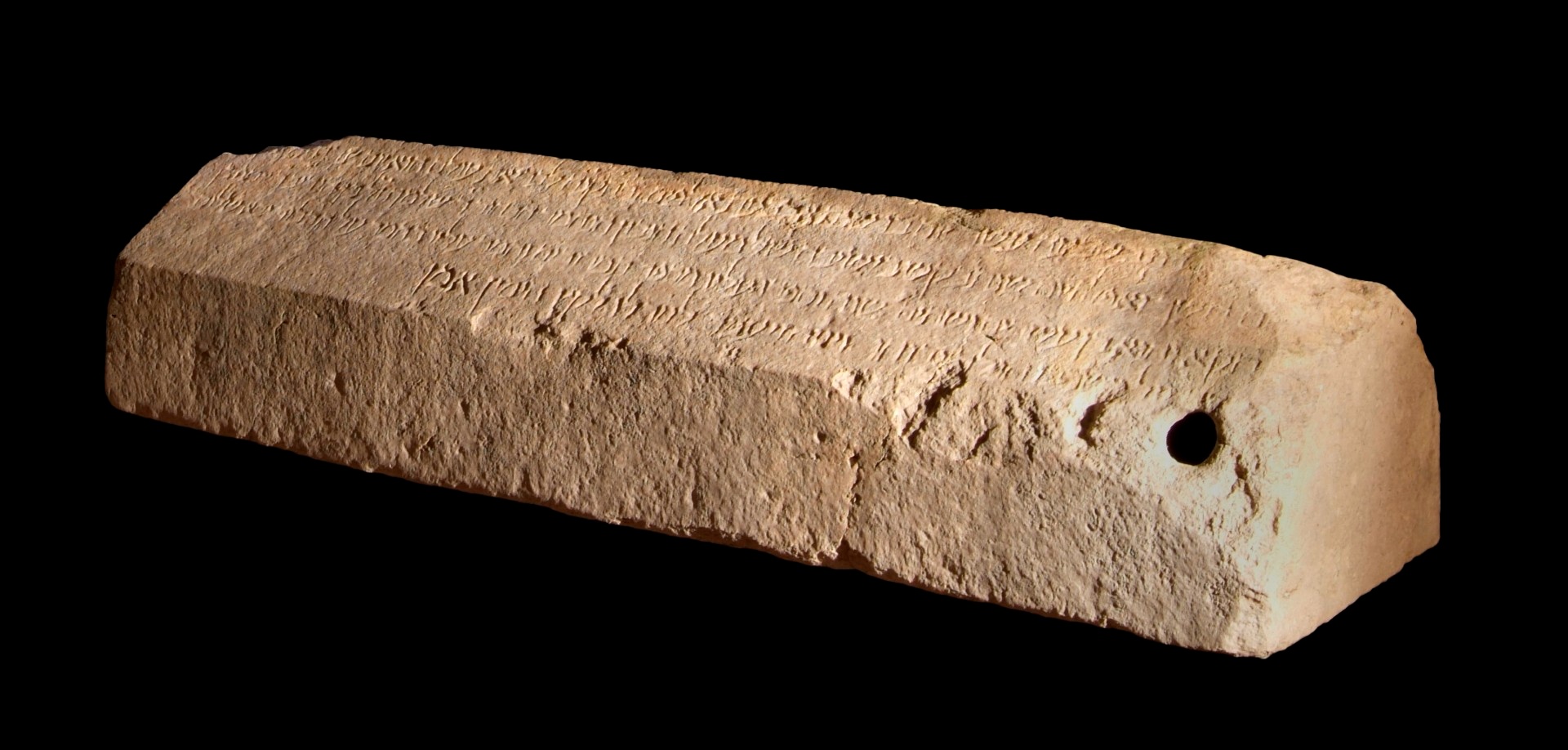
Tombstone of Shelomoh, son of Josef ben Teqa
1198, Girona
-
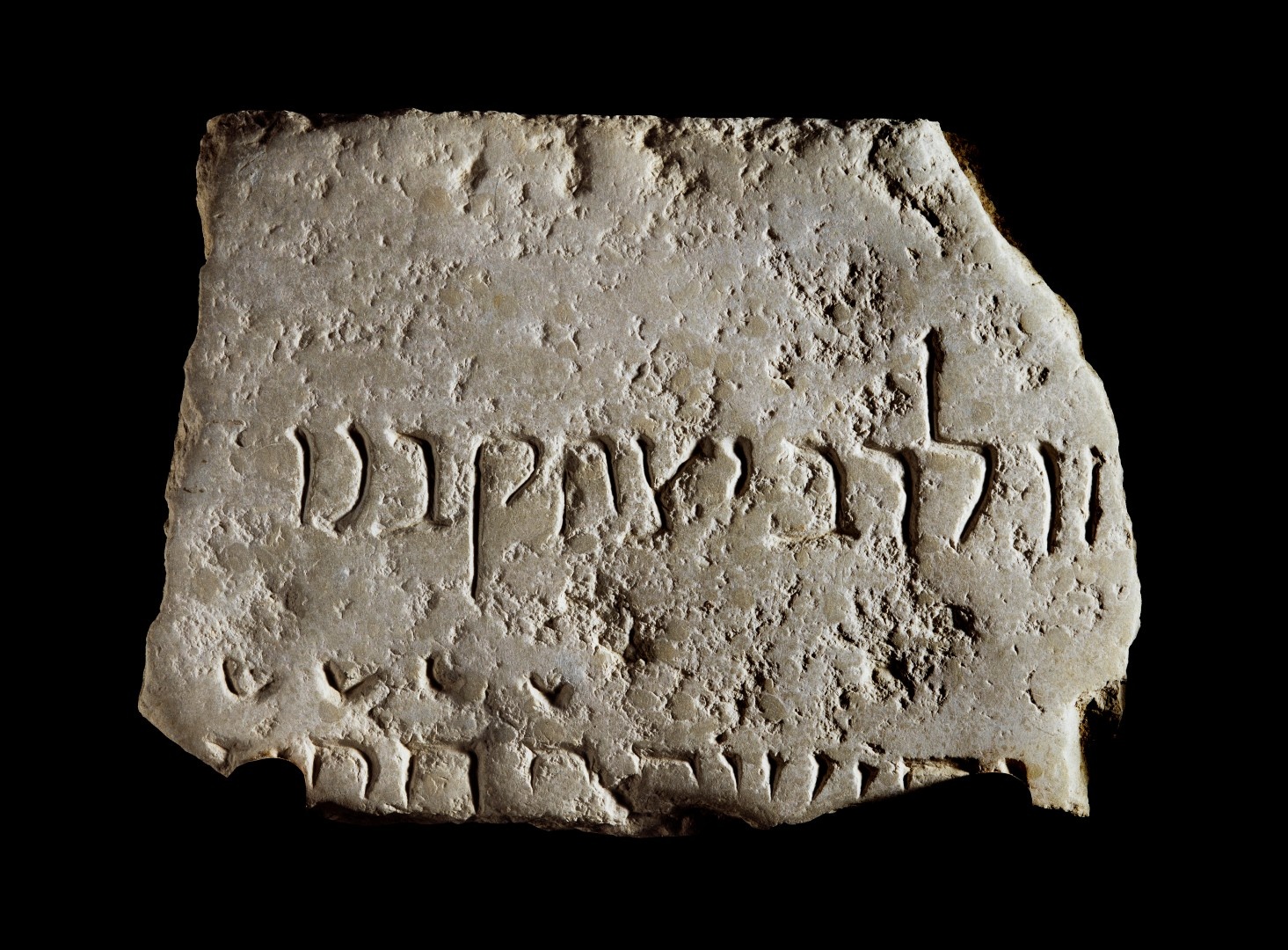
Stele of Isaac
1210, Girona
-
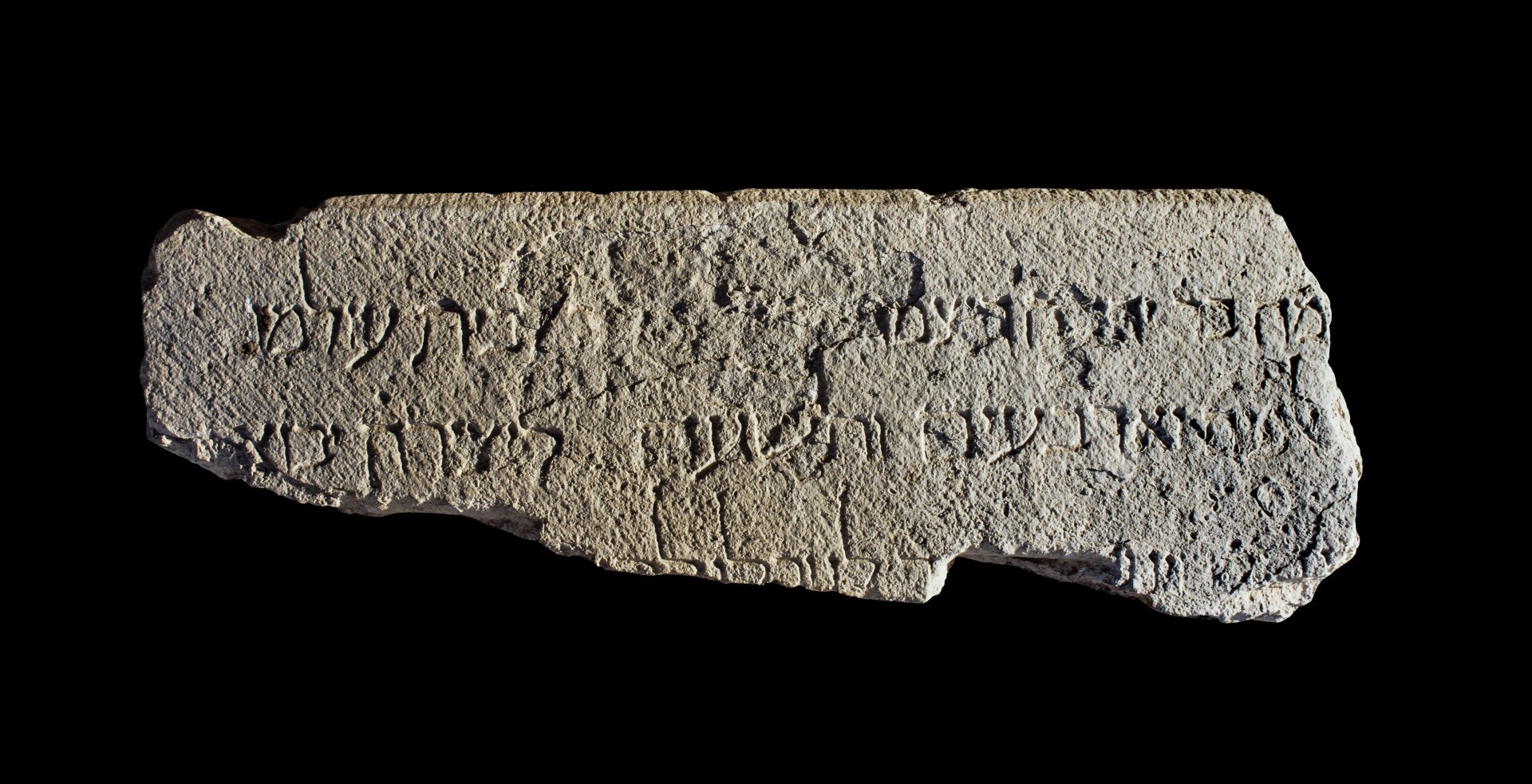
Tombstone of Shelomoh, son of Yehudah Detsmer[cadel]
1289, Girona
-
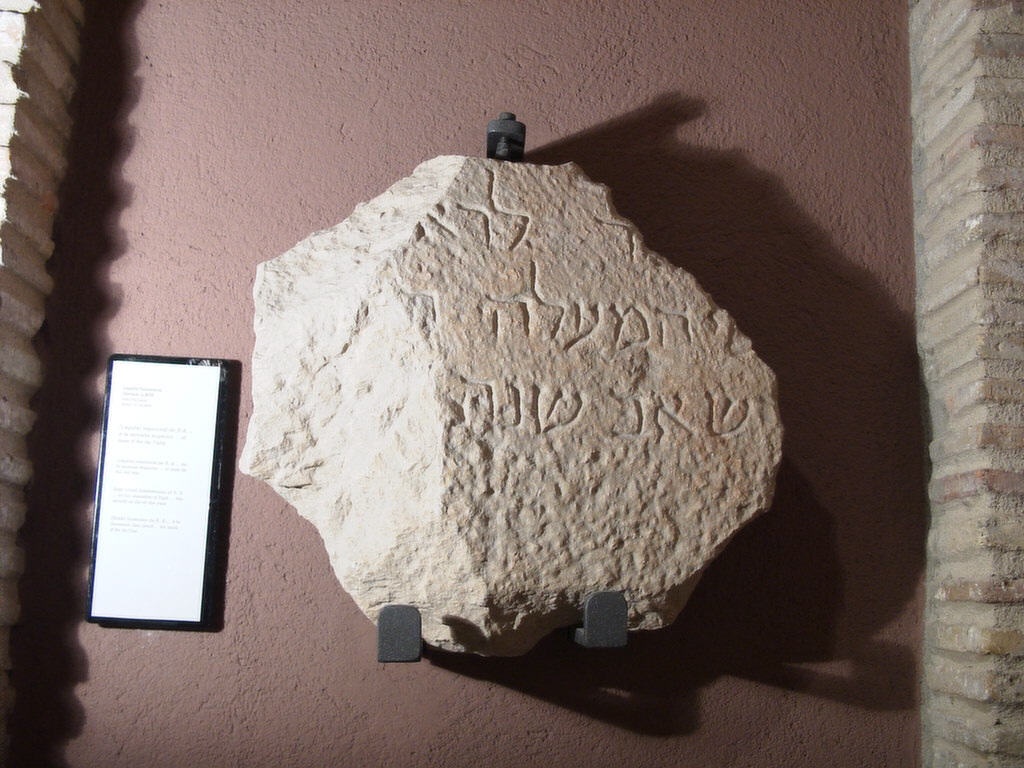
Stele of Rabbi Abraham?
First half of the 14th century, Girona
-
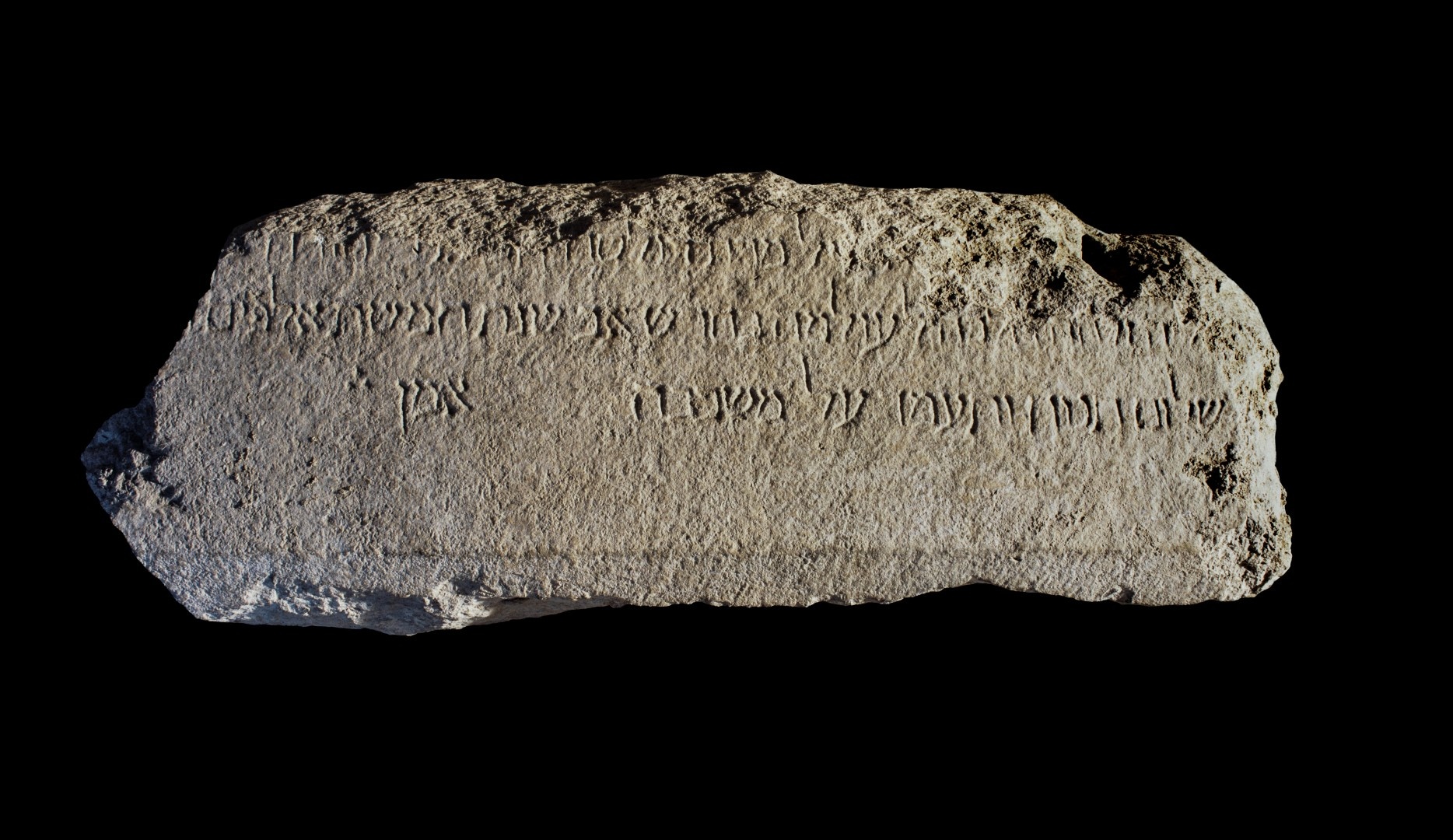
Tombstone of Dolsa [Abraba]lya
First half of the 14th century, Girona
-
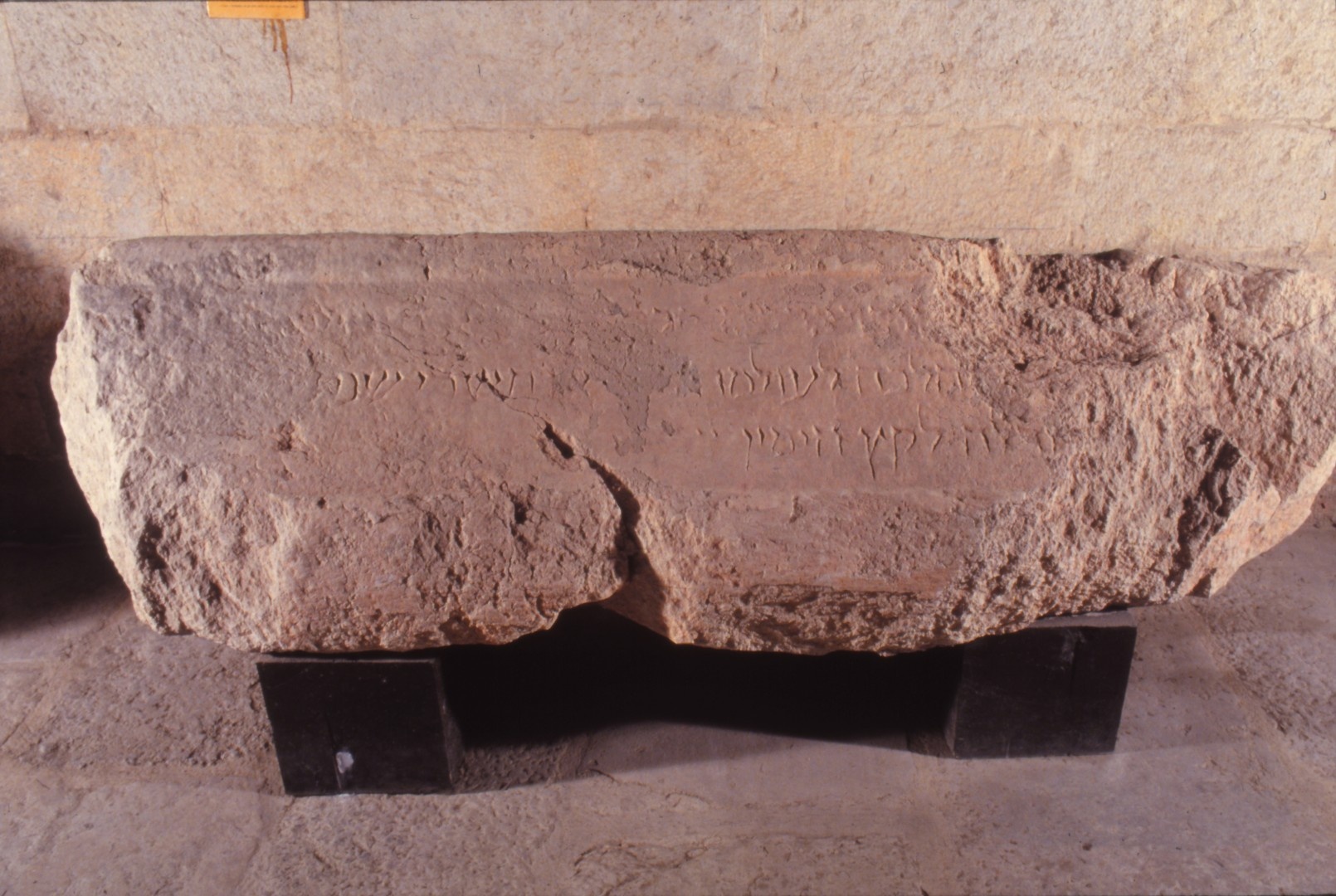
Tombstone of unknown woman
First half of the 14th century, Girona
-
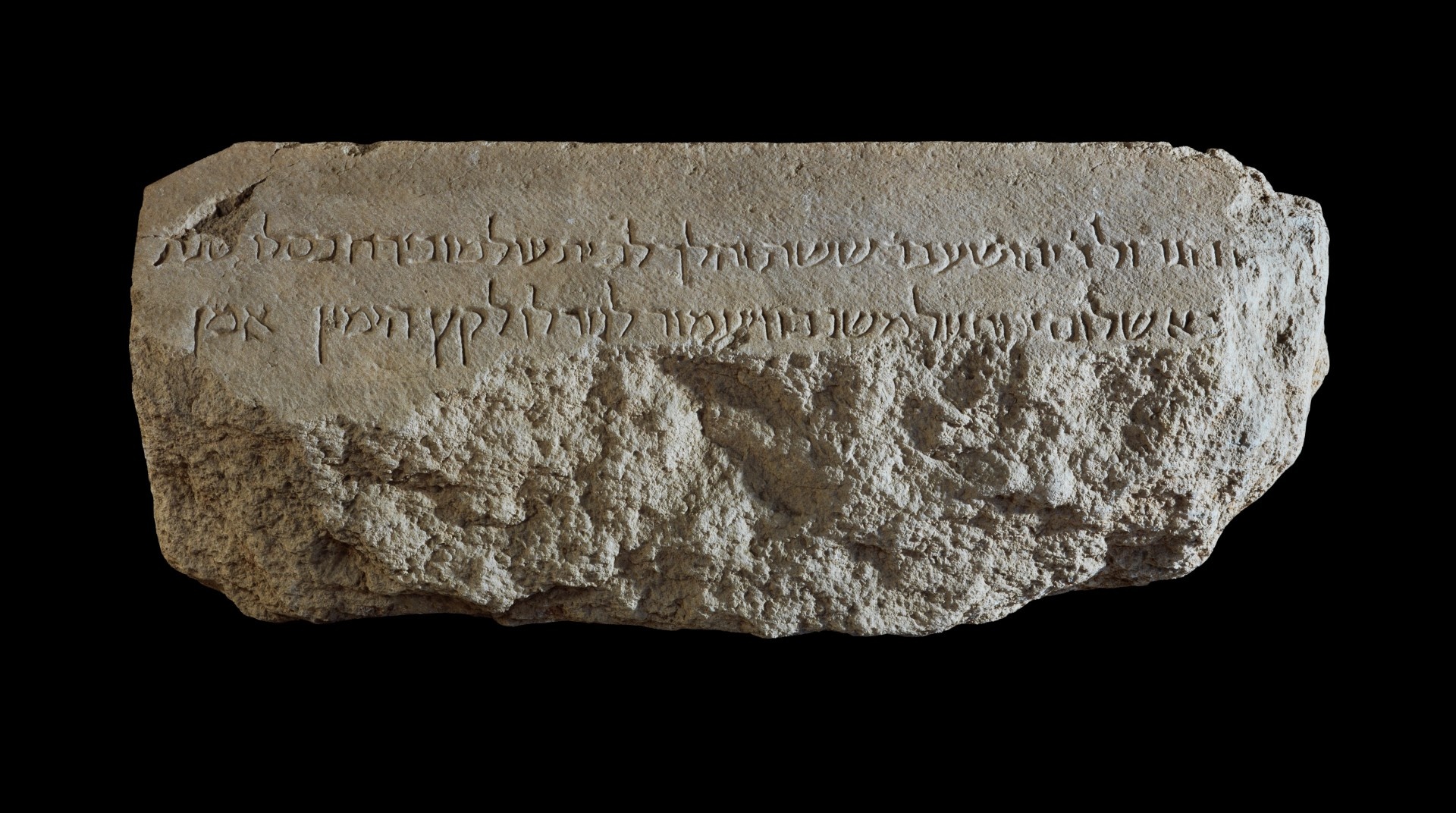
Tombstone of Yehoshua, son of Sheshet
First half of the 14th century, Girona
-
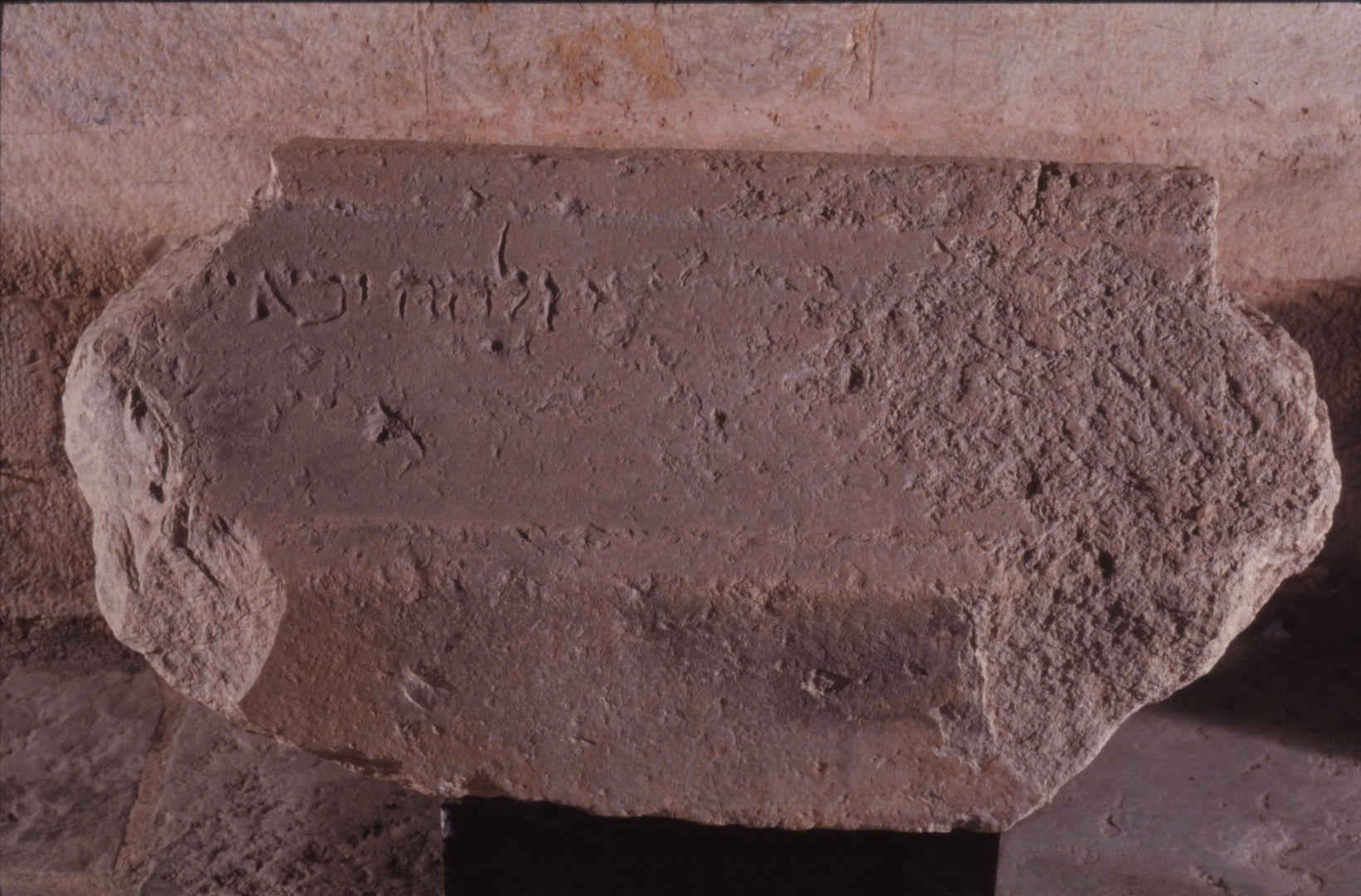
Tombstone of unknown man
First half of the 14th century, Girona
-
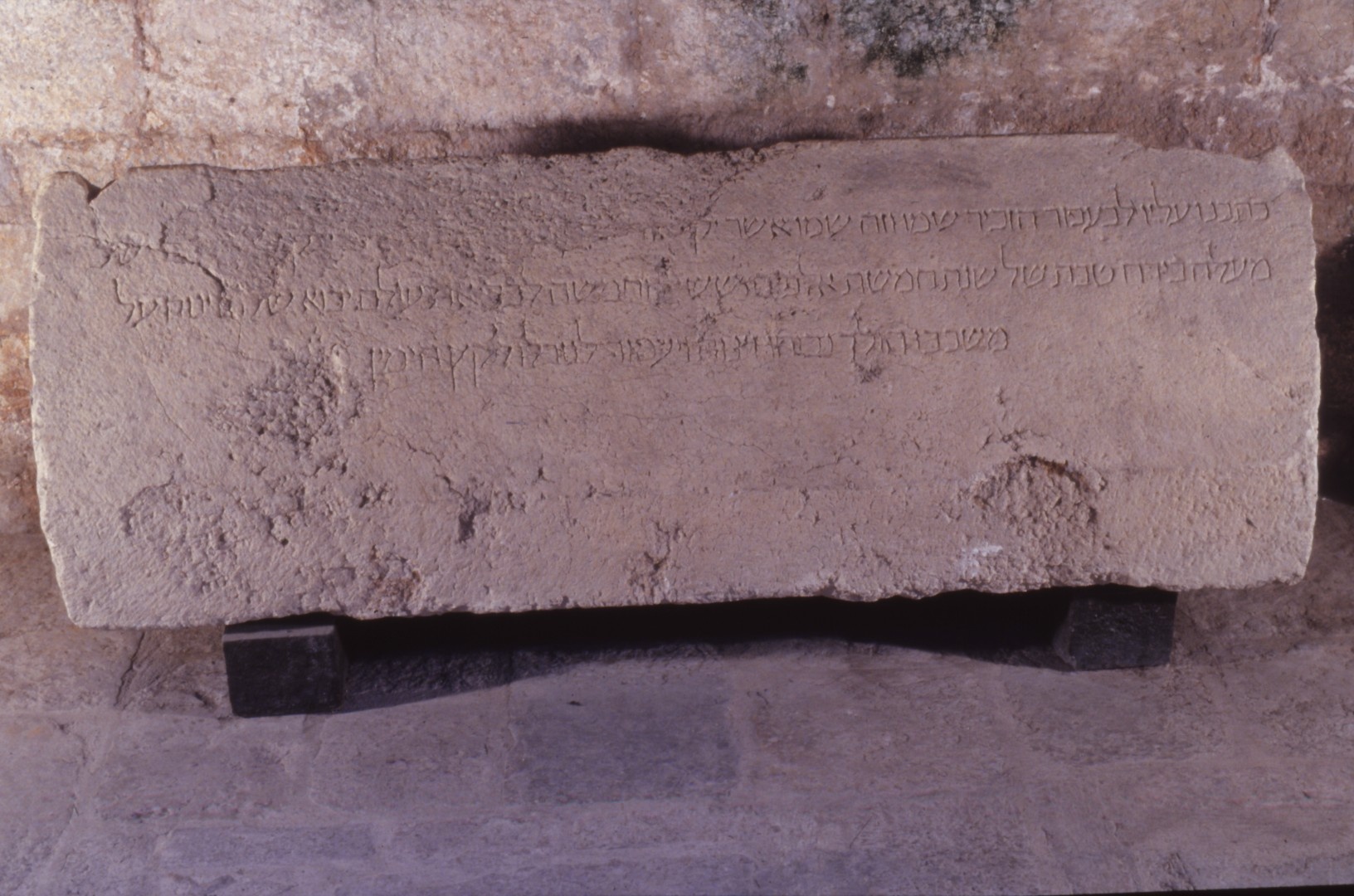
Tombstone of unknown man
1304, Girona
-
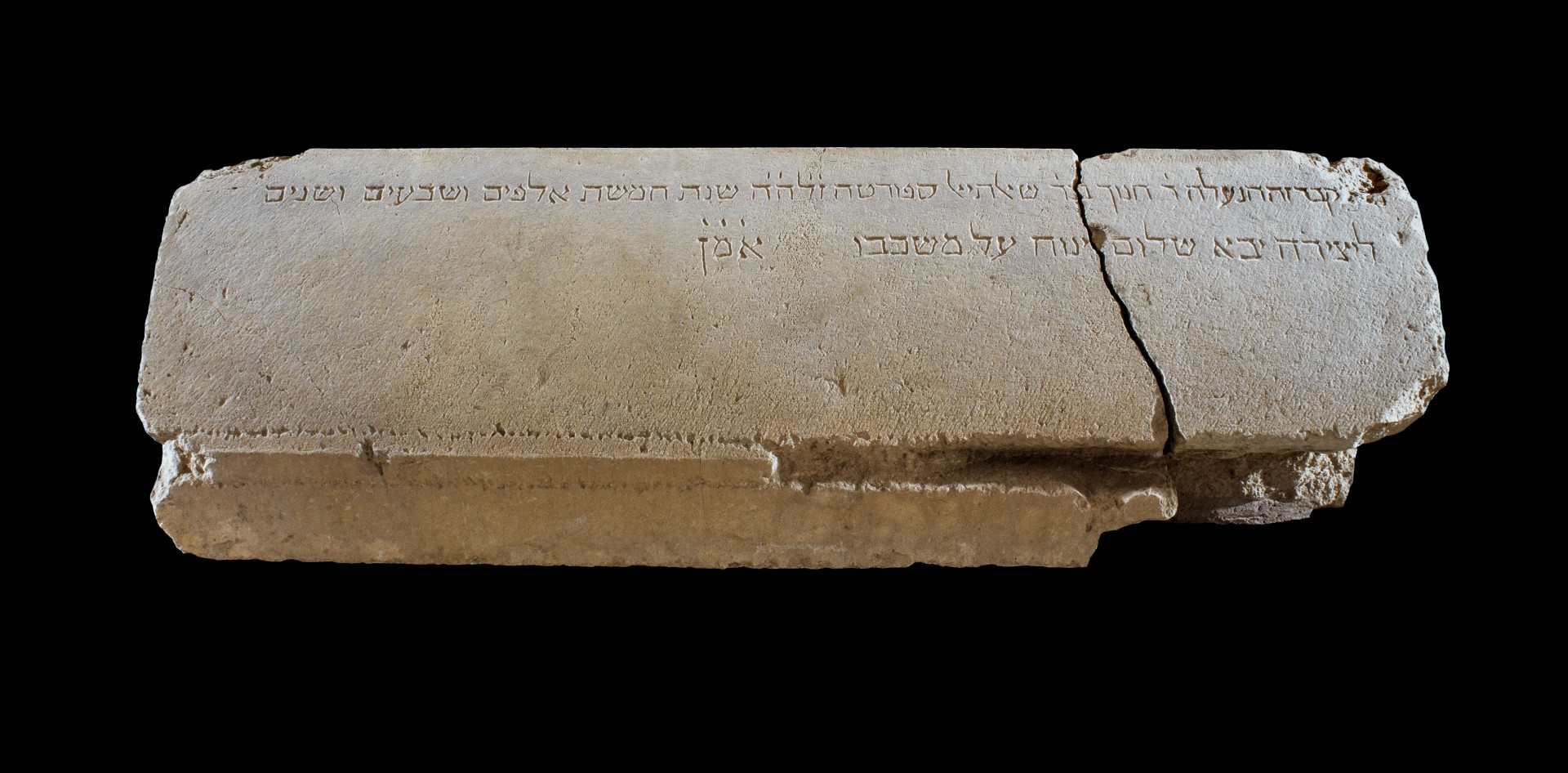
Tombstone of Hanok, son of Shaltiel Saporta
1312, Girona
-
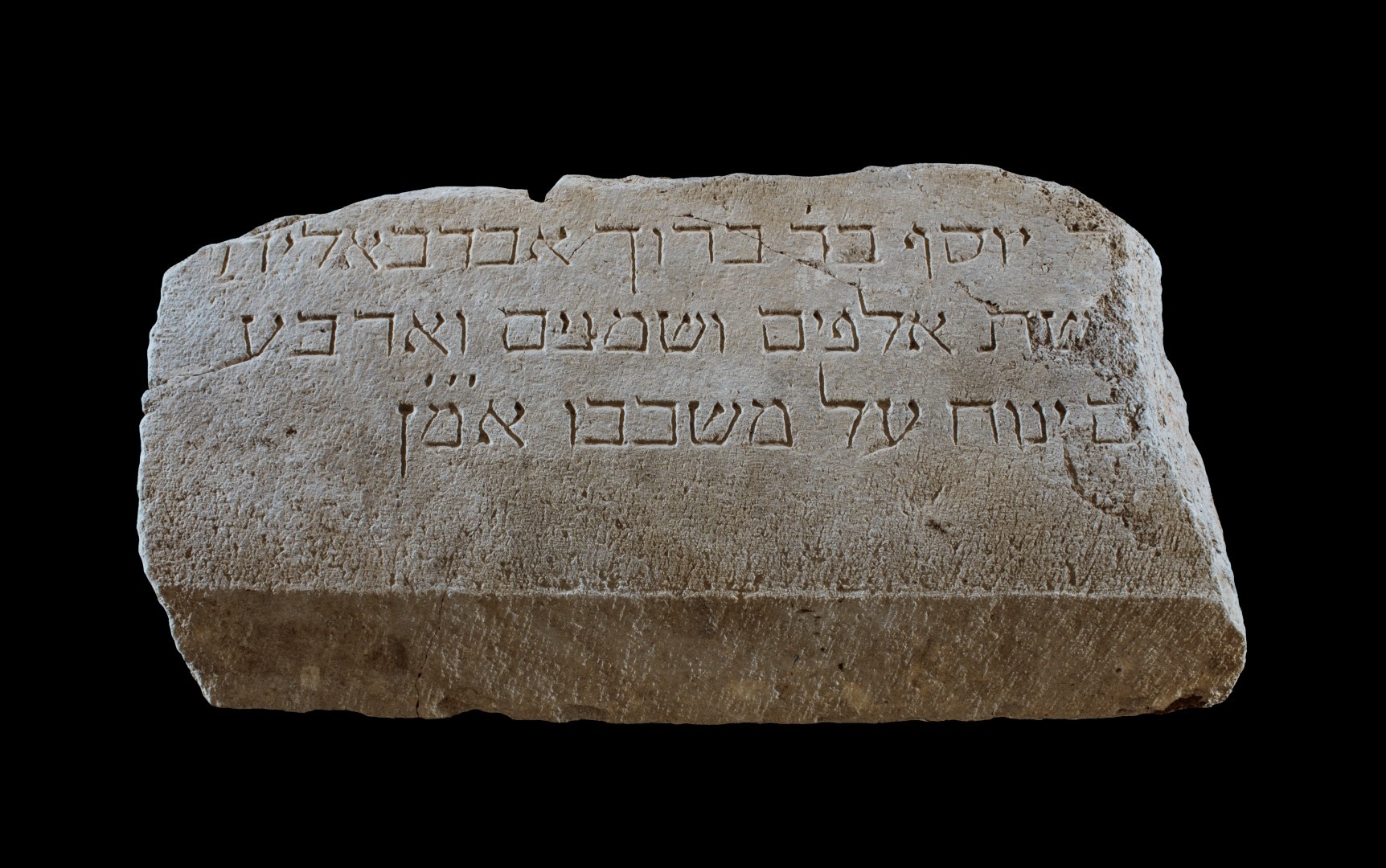
Tombstone of Joseph, son of Barukh Abrabalya
1324, Girona
-
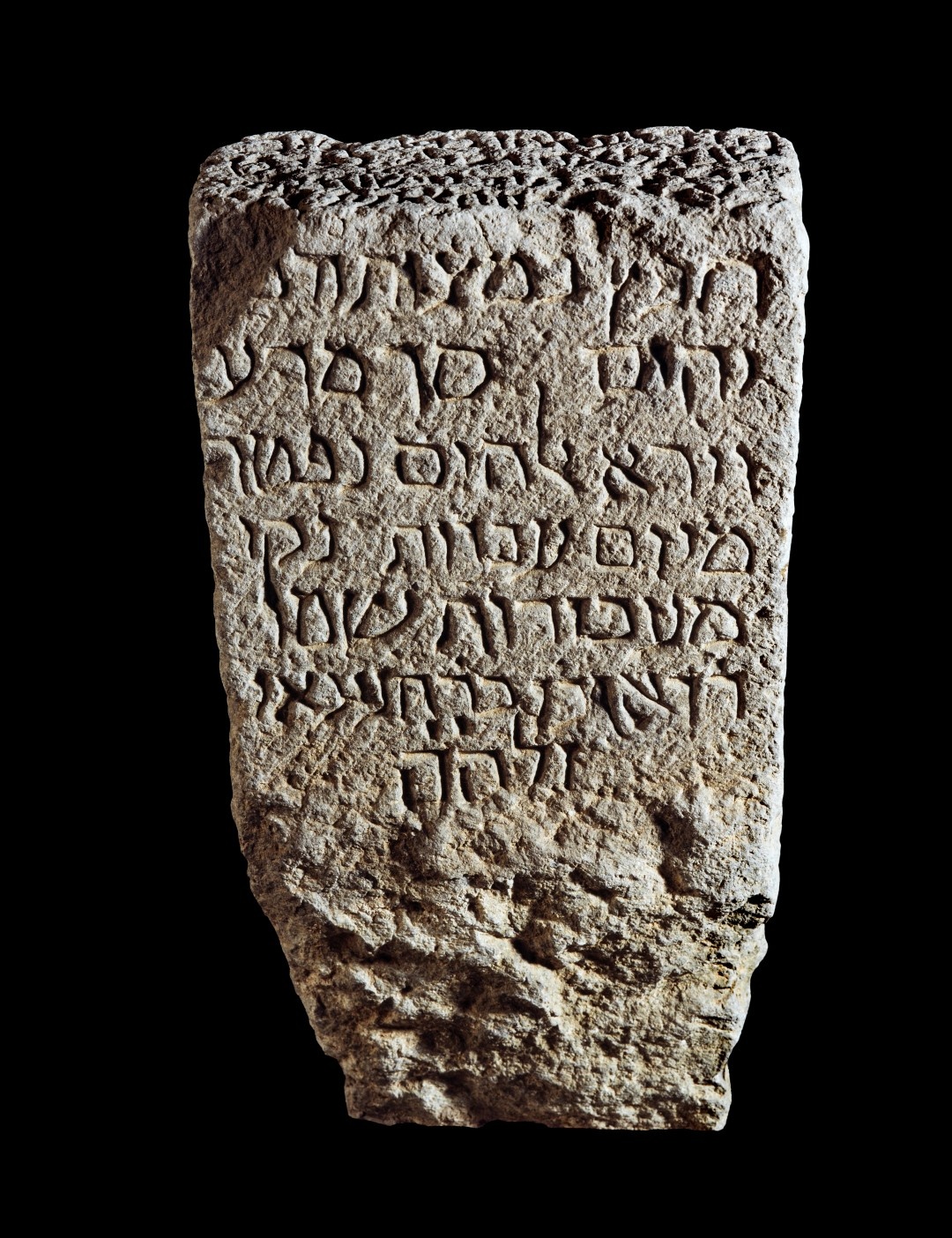
Stele of Reuben, son of Haninai
1343, Castelló d'Empúries
-
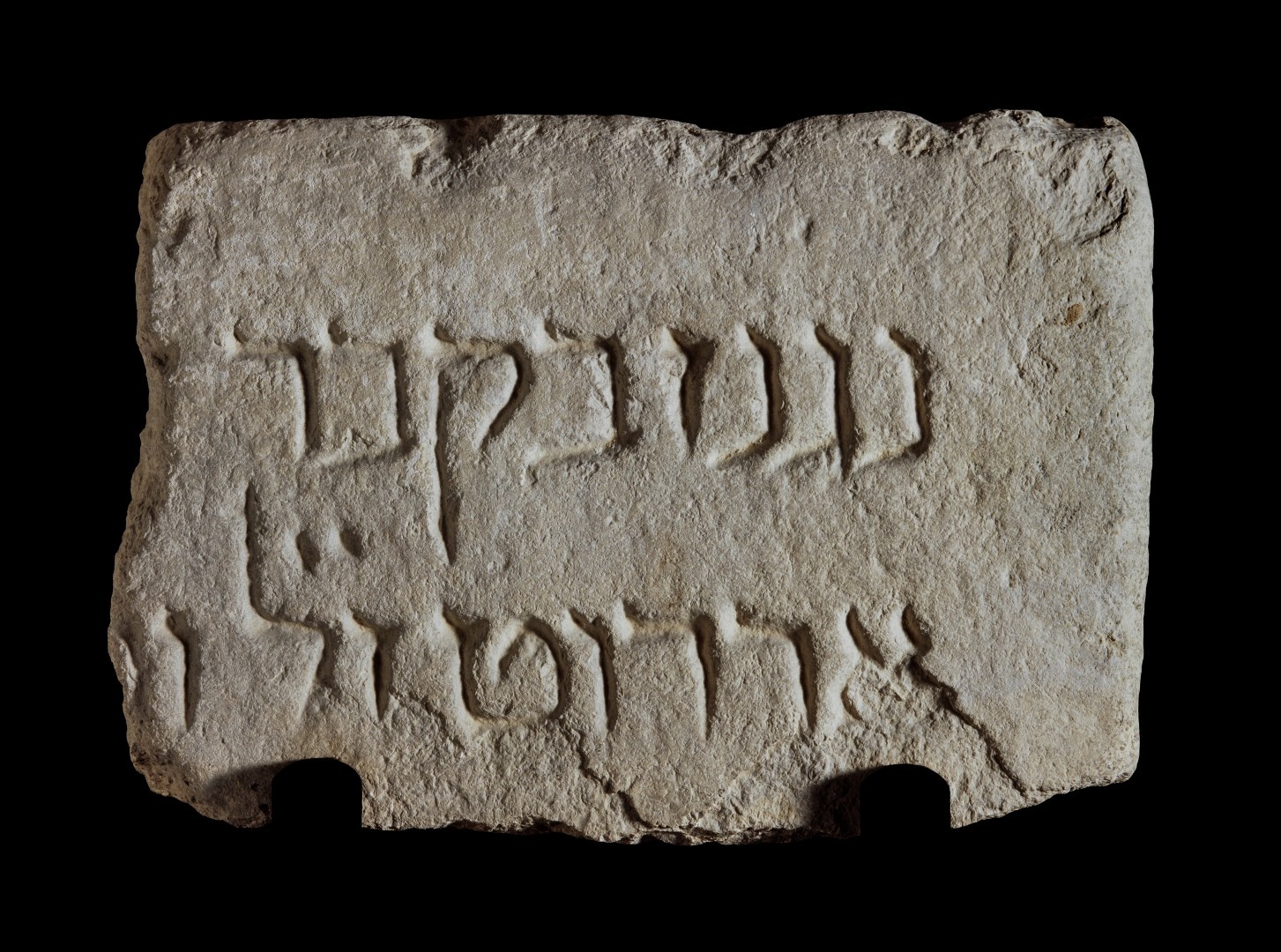
Stele of Ardut
Second half of the 14th century, Girona
-
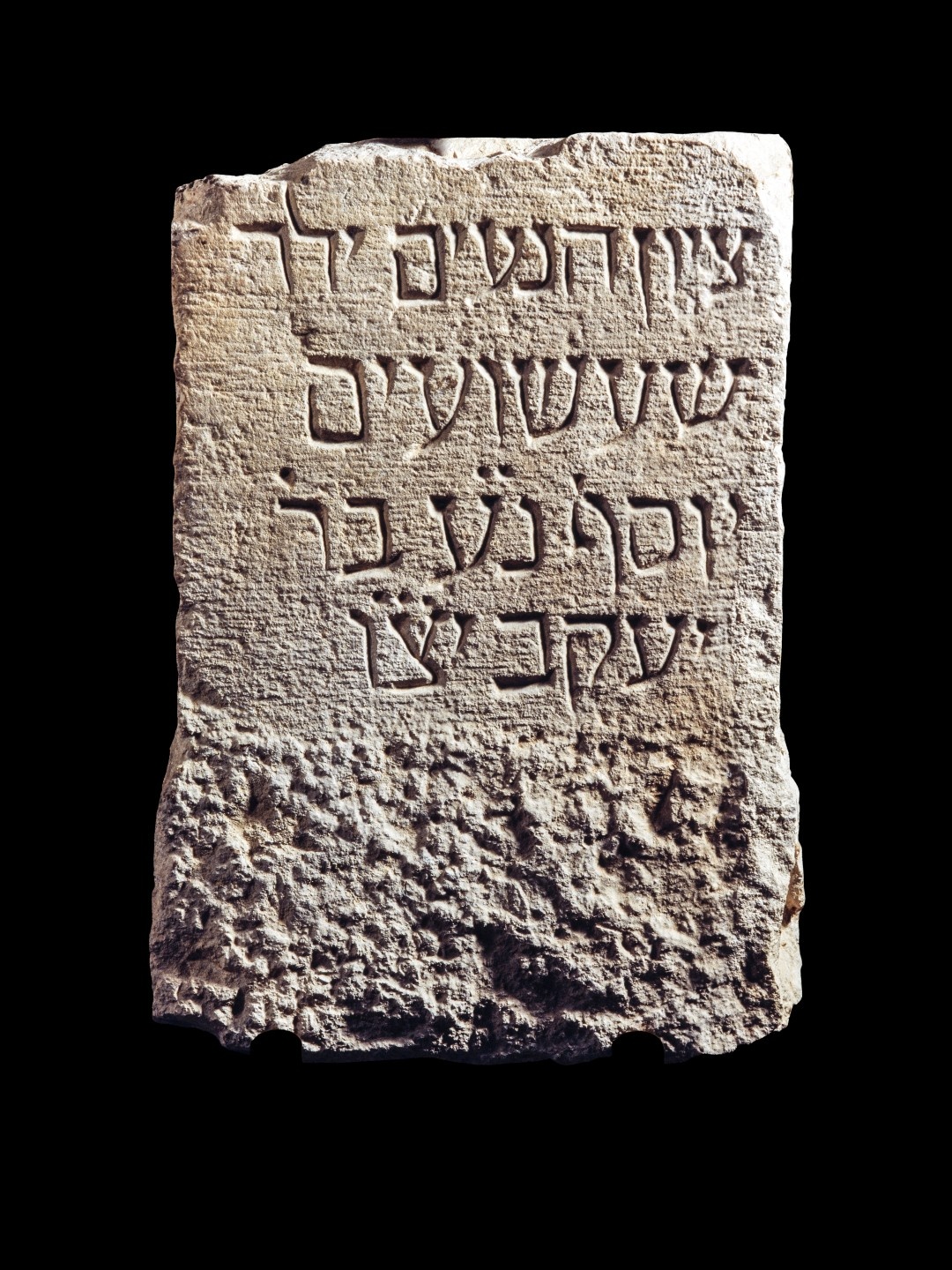
Stele of Joseph, son of Jacob
Second half of the 14th century, Girona
-
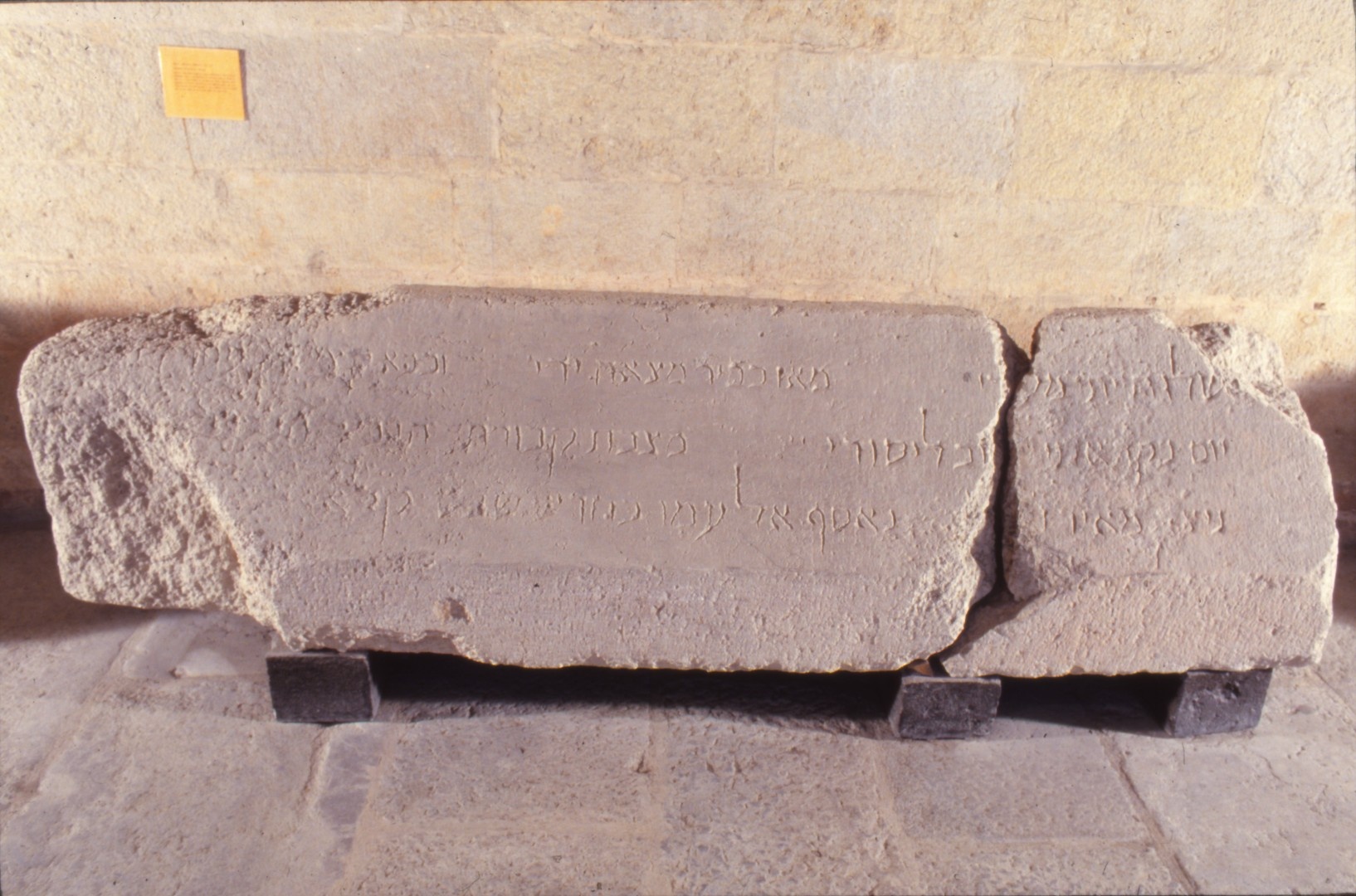
Tombstone of unknown man
1371, Girona
-
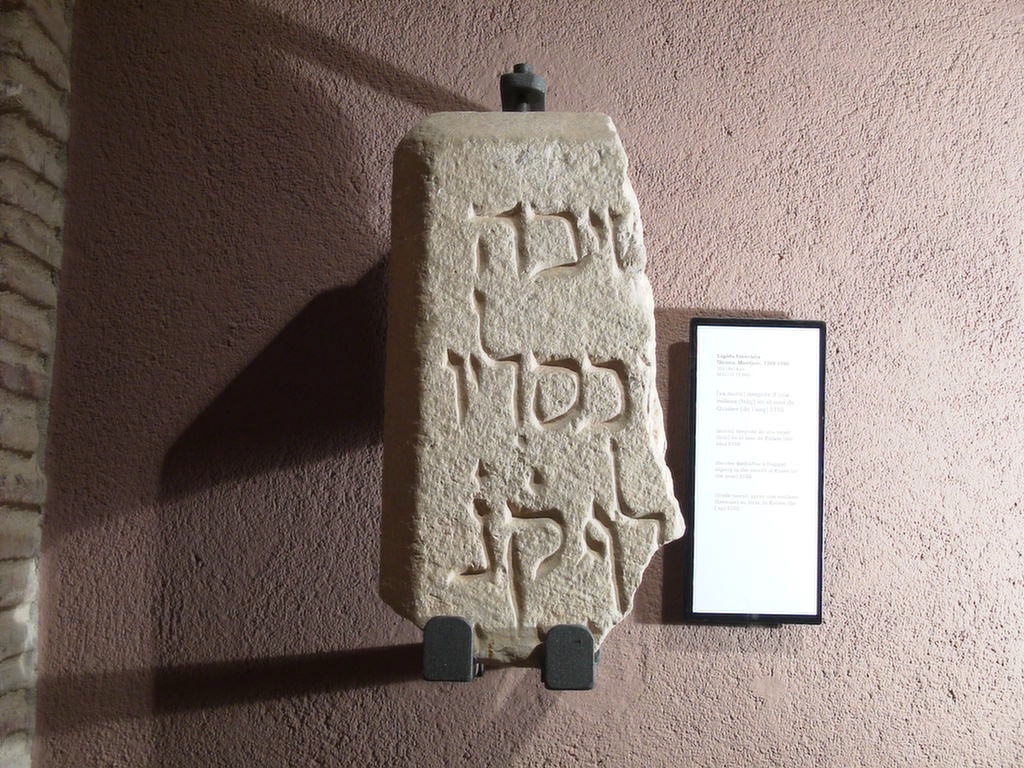
Stele of an unknown man
1389, Girona
-
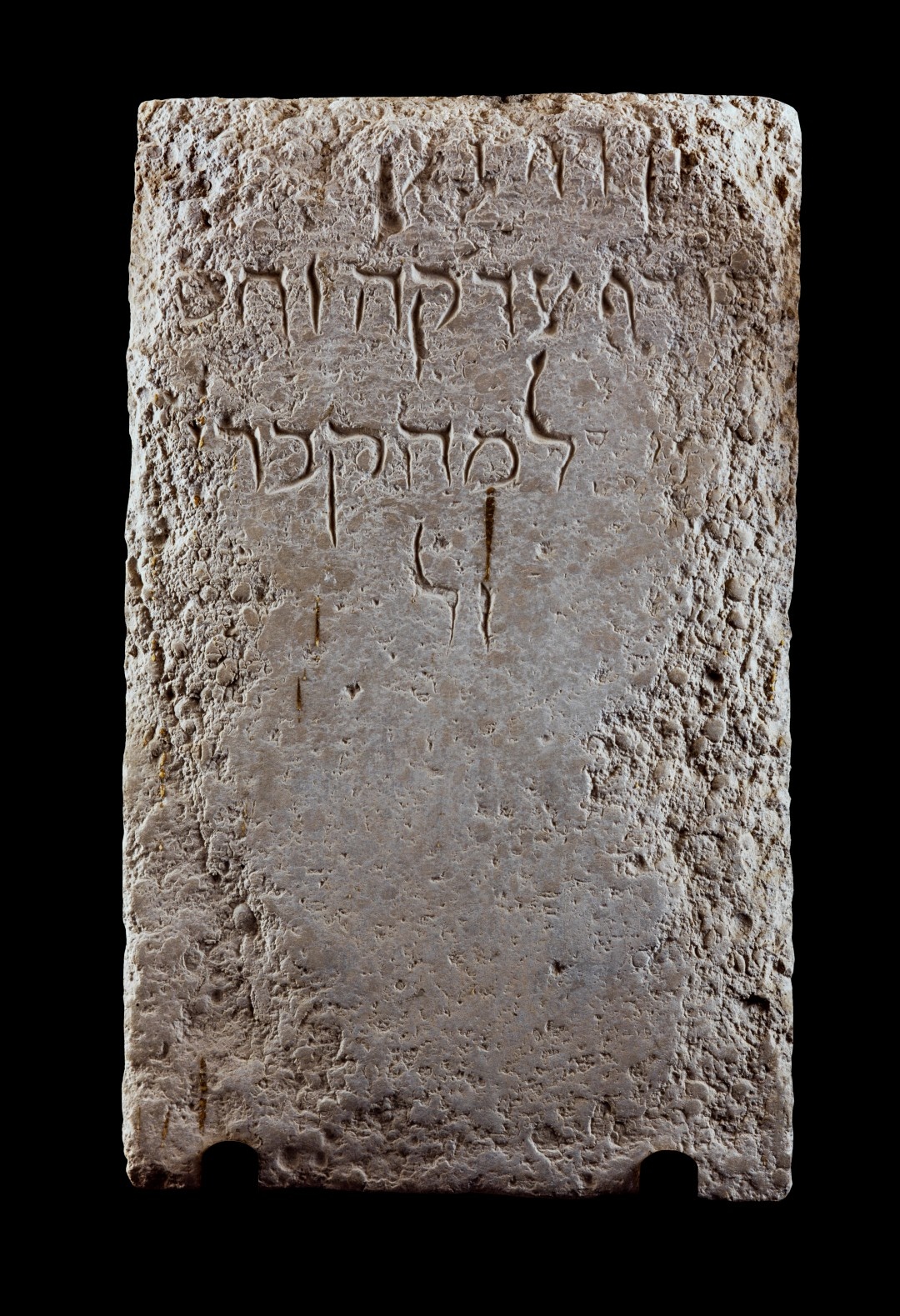
Stele of the wife or daughter of Shelomoh Cabrit
14th-15th centuries, Girona
-
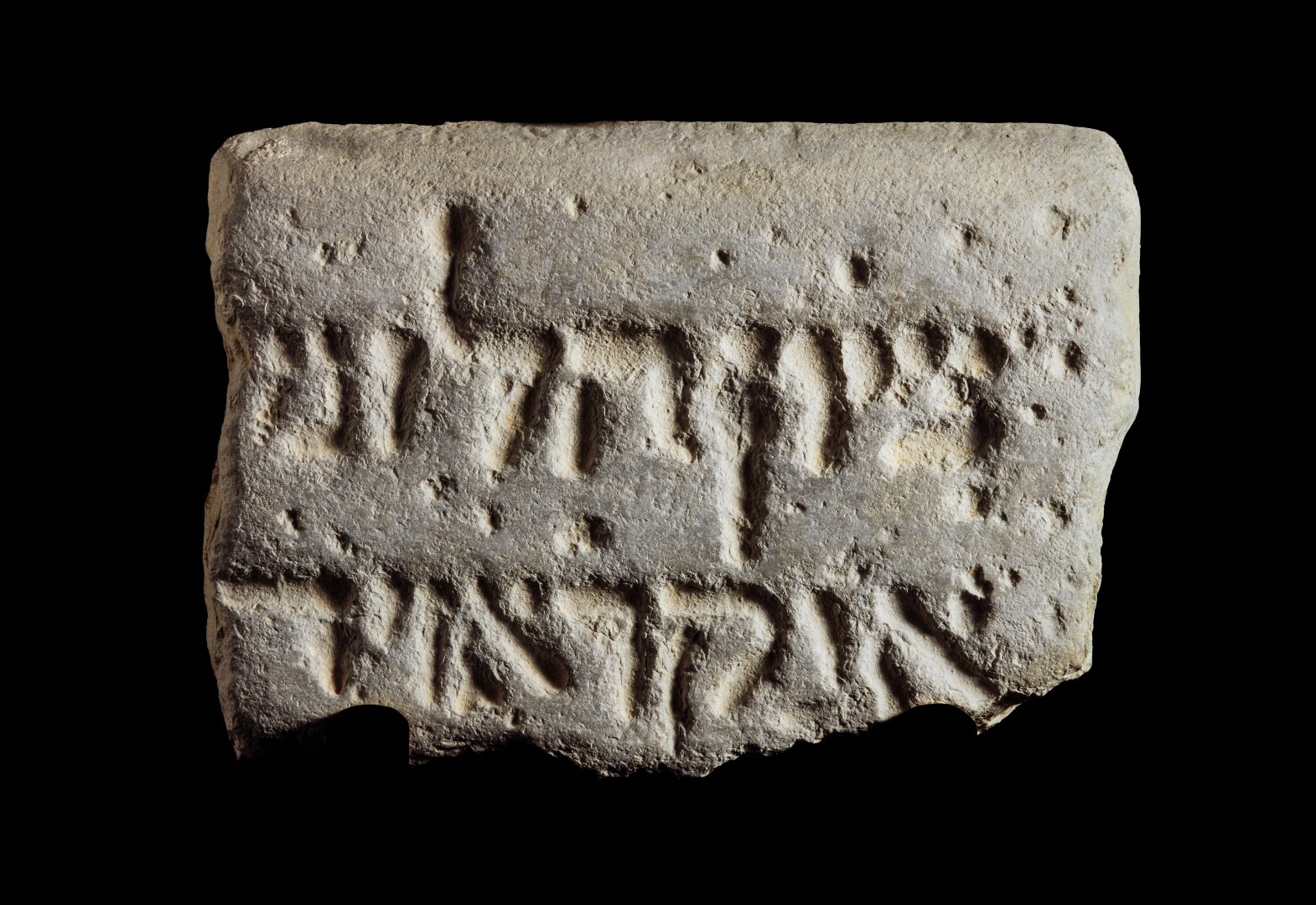
Stele of En Caravida
14th-15th centuries, Girona
-
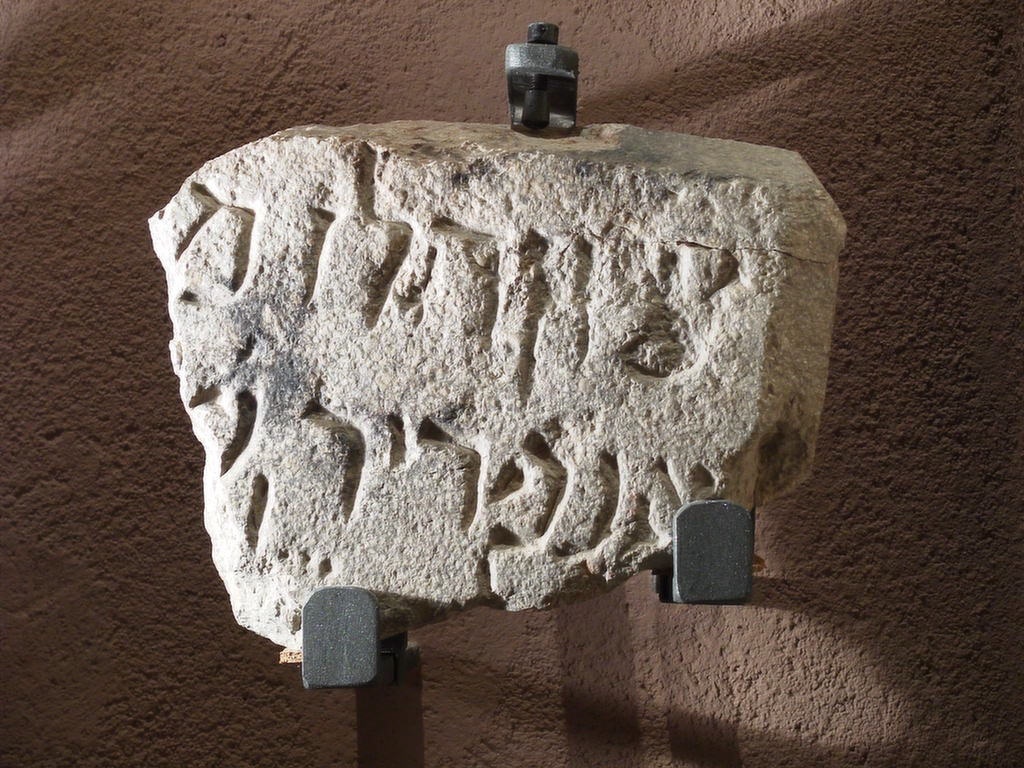
Stele of En Ferrer
14th-15th centuries, Girona
-
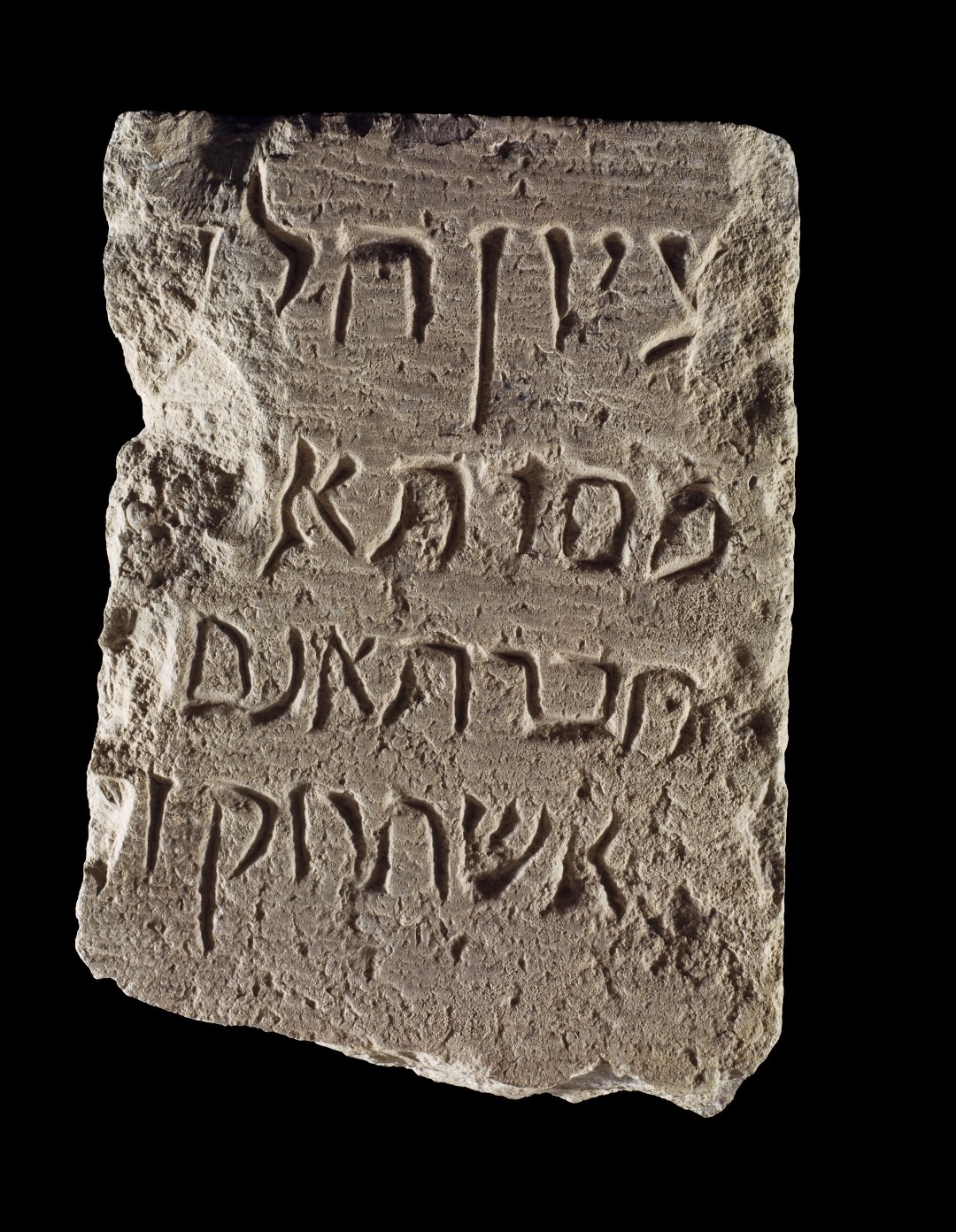
Stele of Astruga?, wife of Mossé Astruc
First quarter of the 15th century, Girona
-
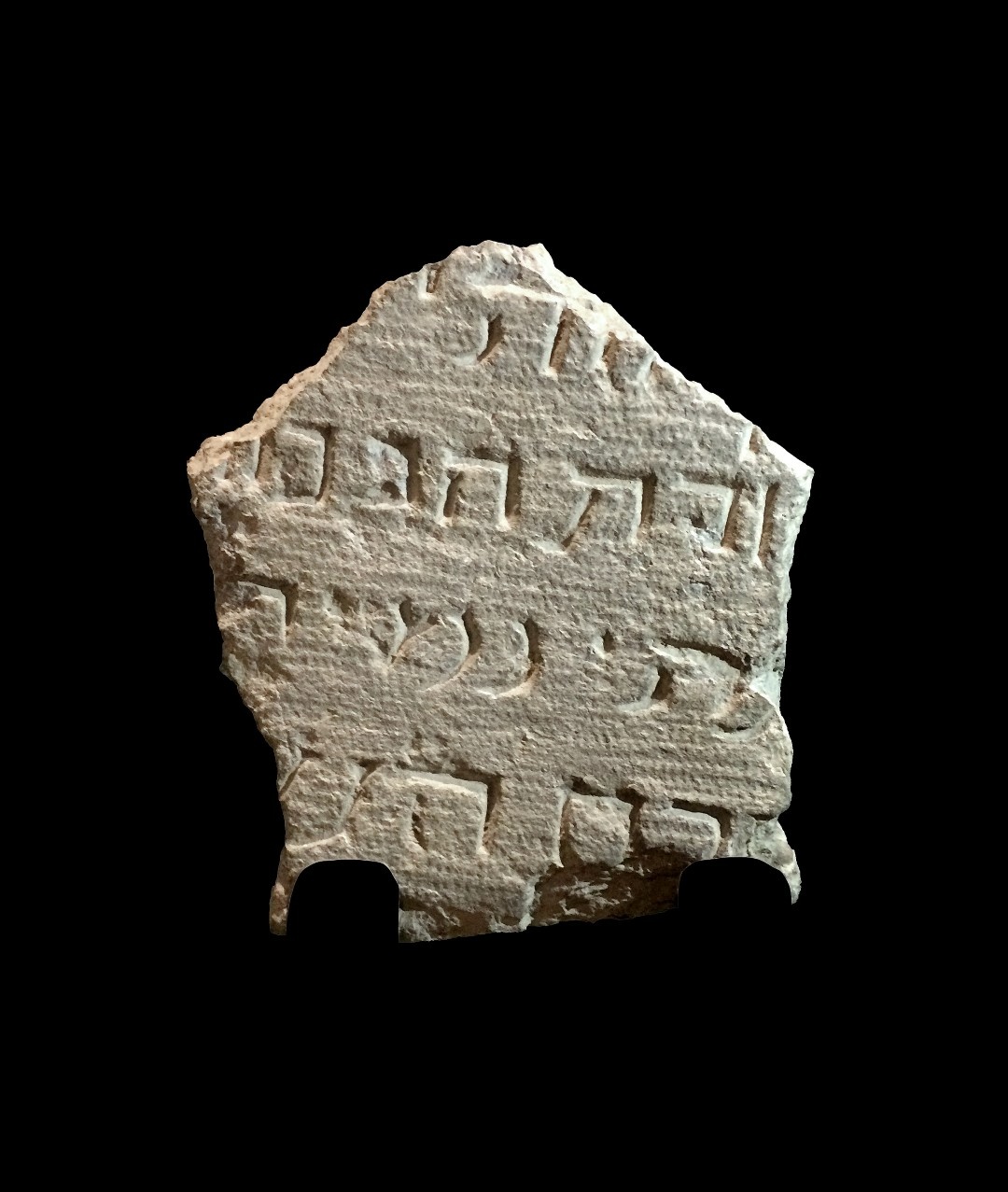
Stele of Meirona, married
First quarter of the 15th century, Girona
-
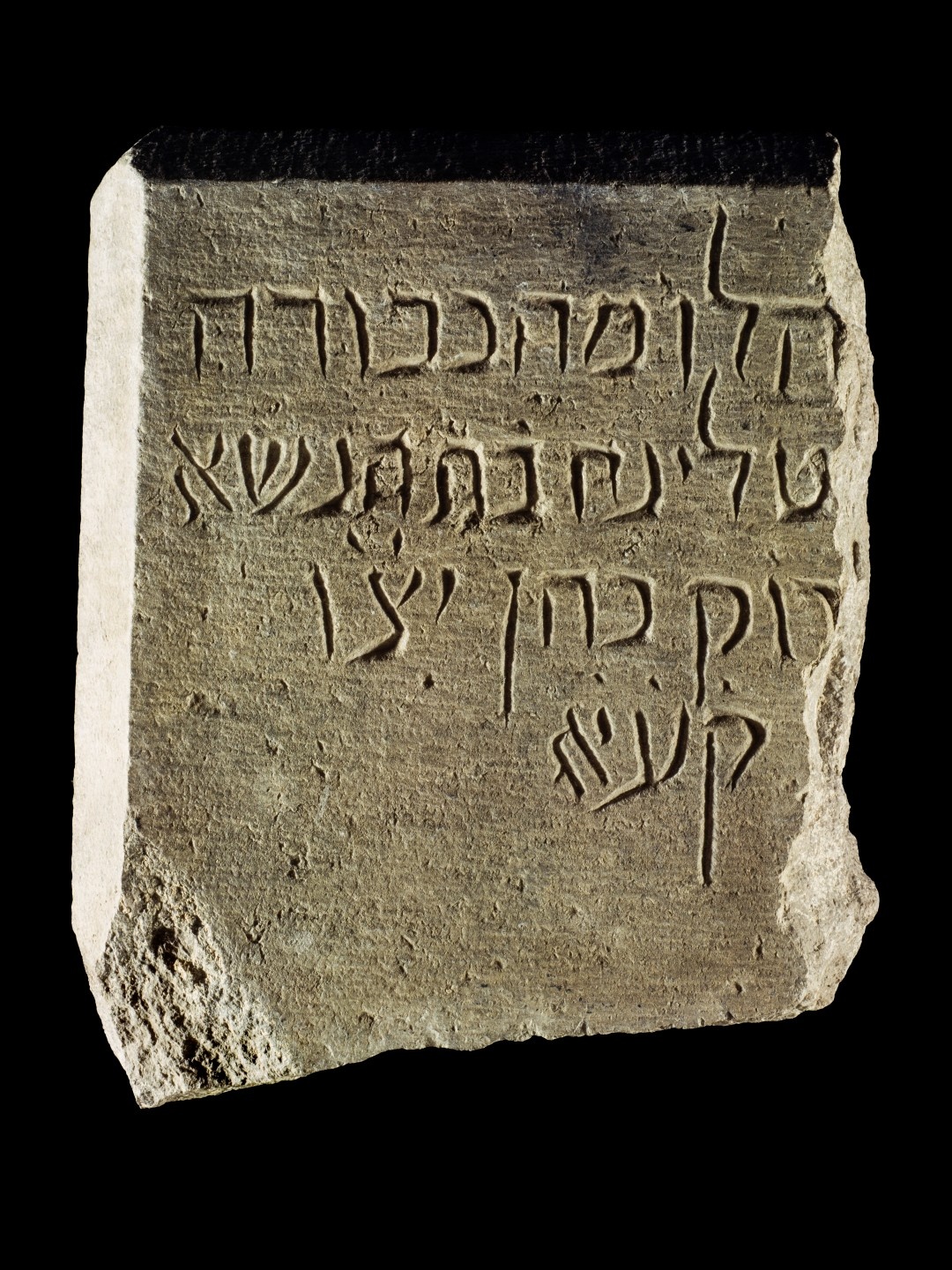
Stele of Estellina, daughter of Astruc Cohen
1411, Girona
-
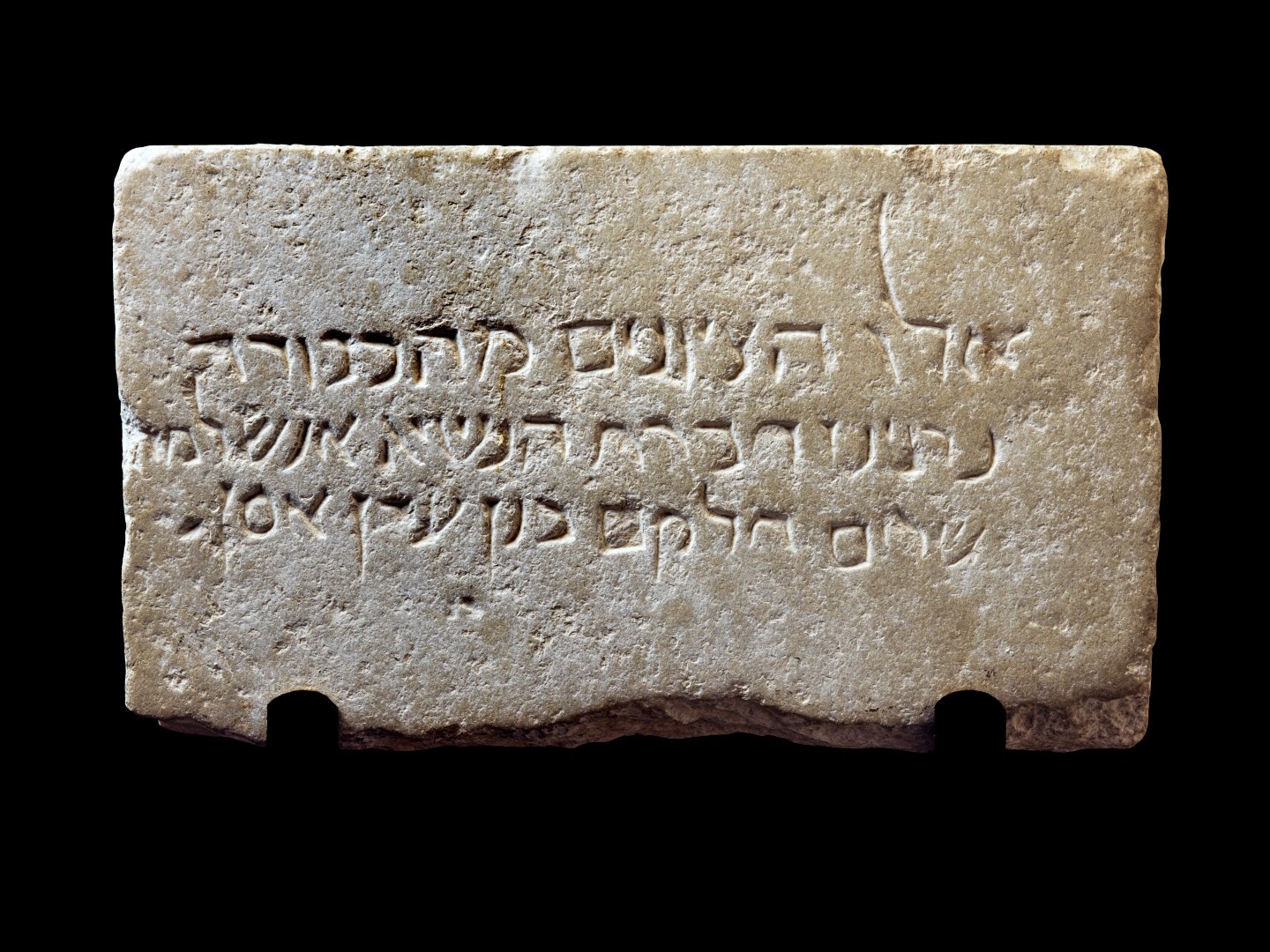
Stele of Regina, widow of Shelomoh Salem
Around the mid-15th century, Girona
-
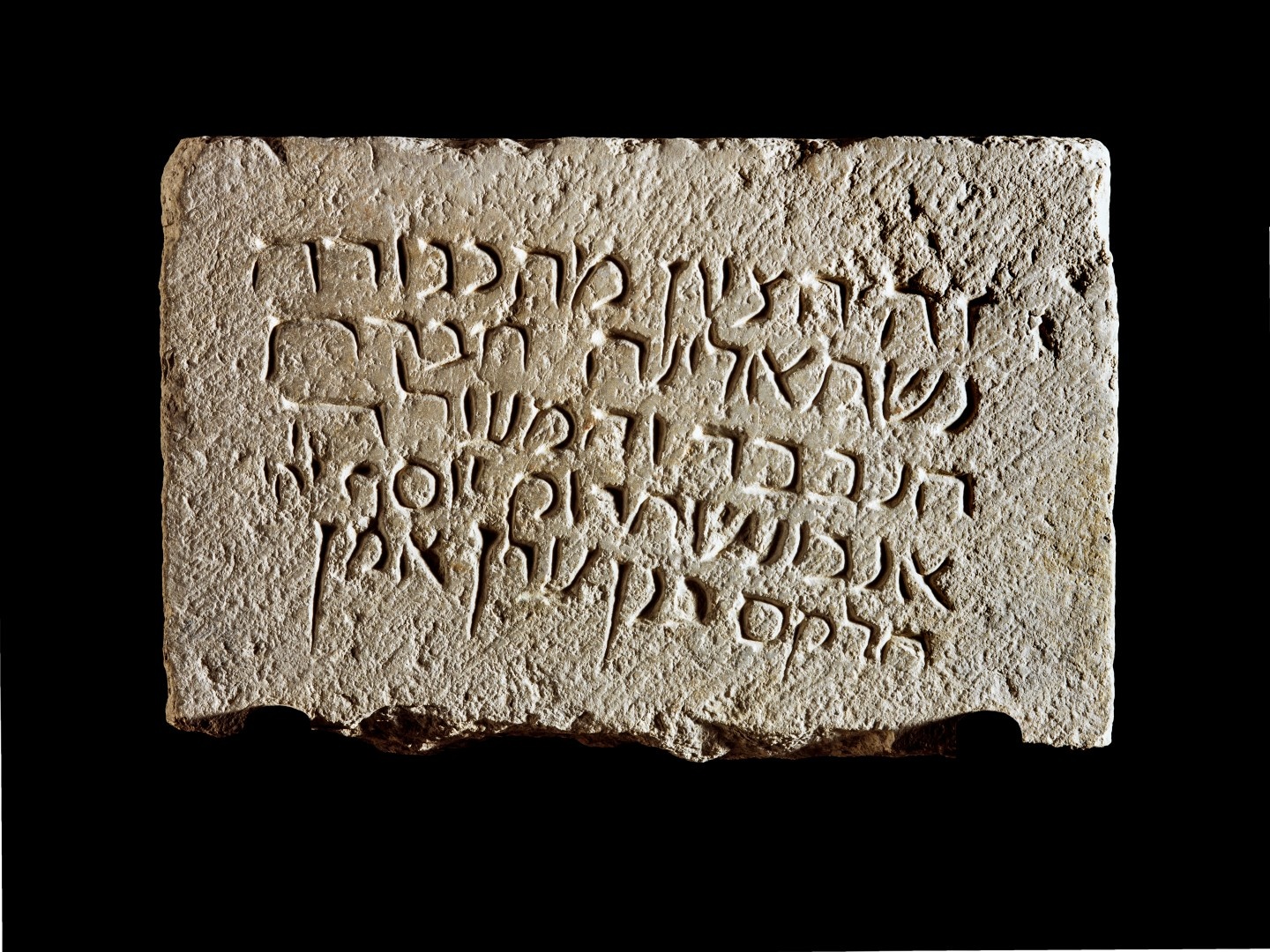
Stele of Estellina, widow of Bonastruc Joseph
Around the mid-15th century, Girona
-
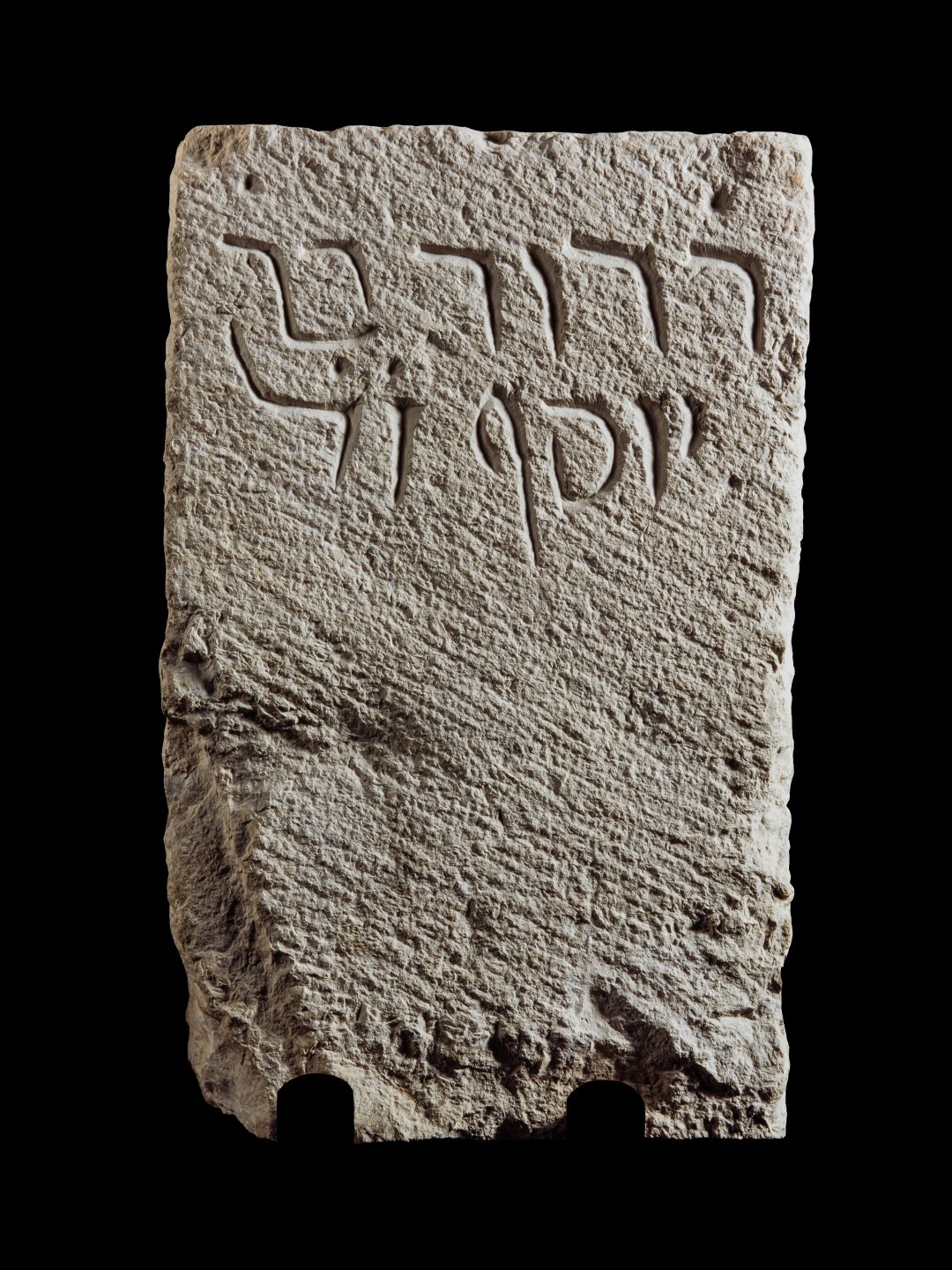
Stele of David, son of Joseph
15th century, Girona
-
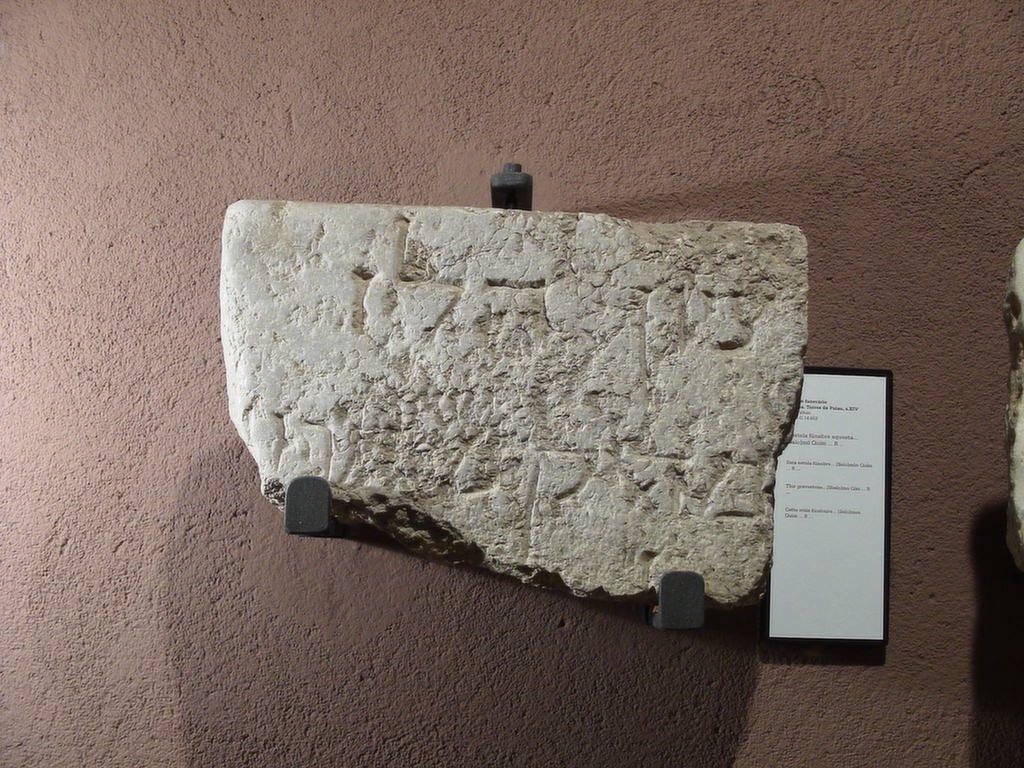
Stele of unknown man
15th century, Girona
-
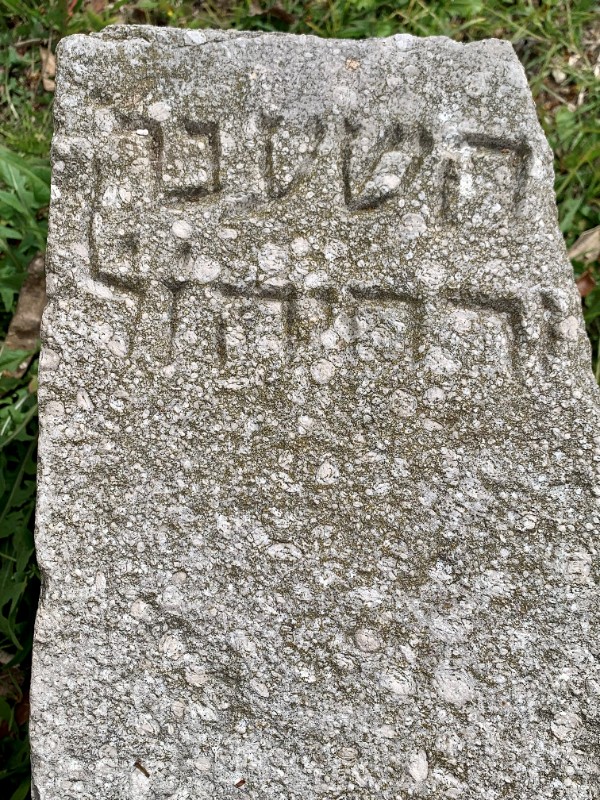
Stele of [Ye]hoshua, son of [Z]erahia
13th-15th centuries, Girona


Patronat Call de Girona • C. de la Força, 8 - 17004 GIRONA • Tel. 972 216 761 • callgirona@ajgirona.cat