 Museum of Jewish History

Inici The Patronat Museum and Institute History of the building
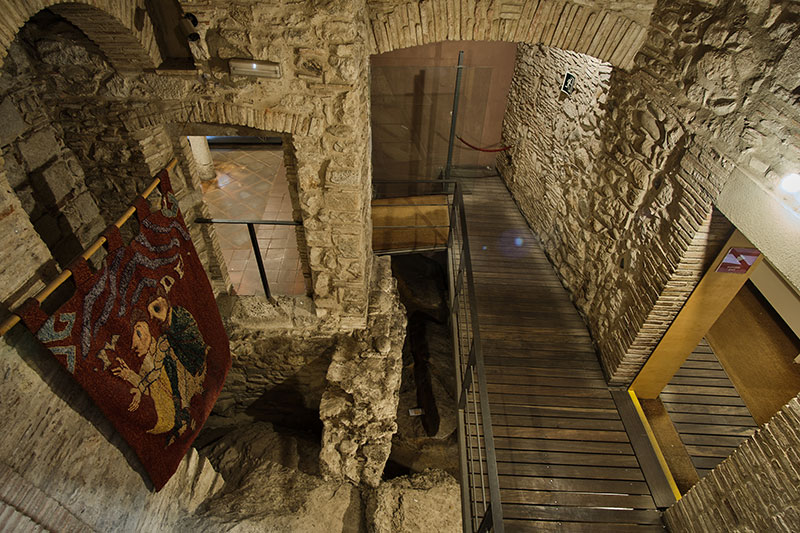
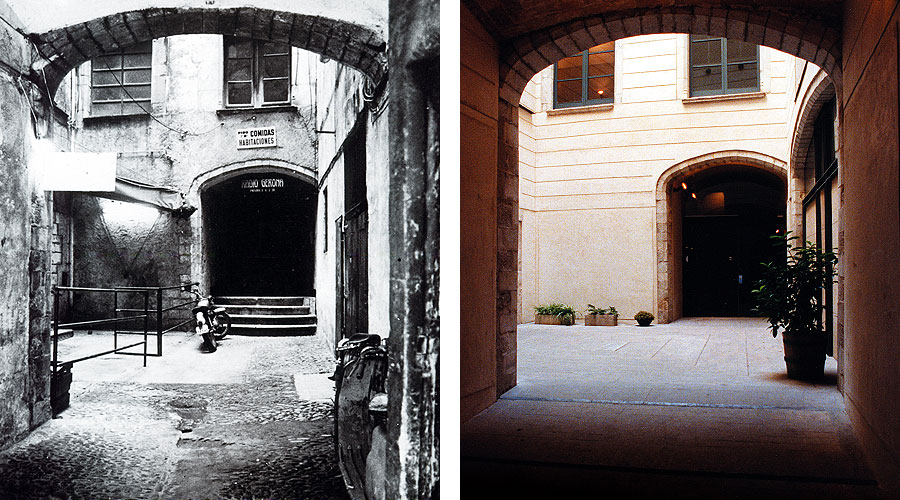
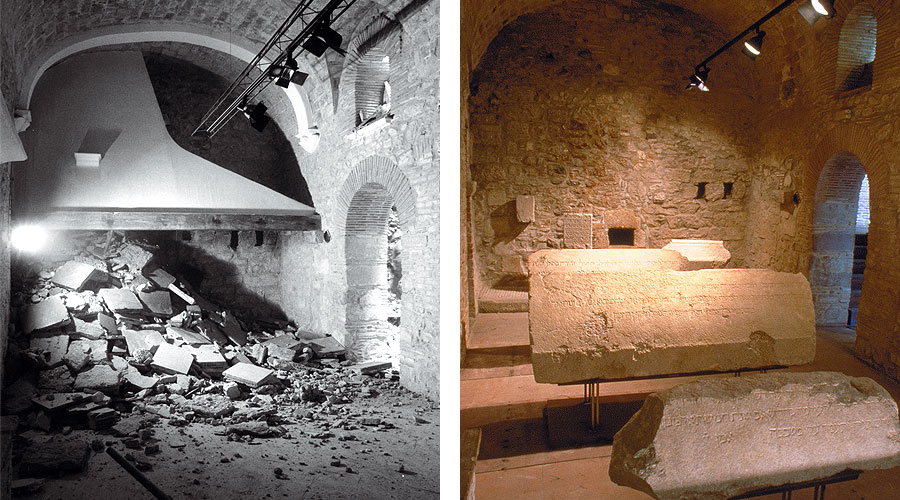
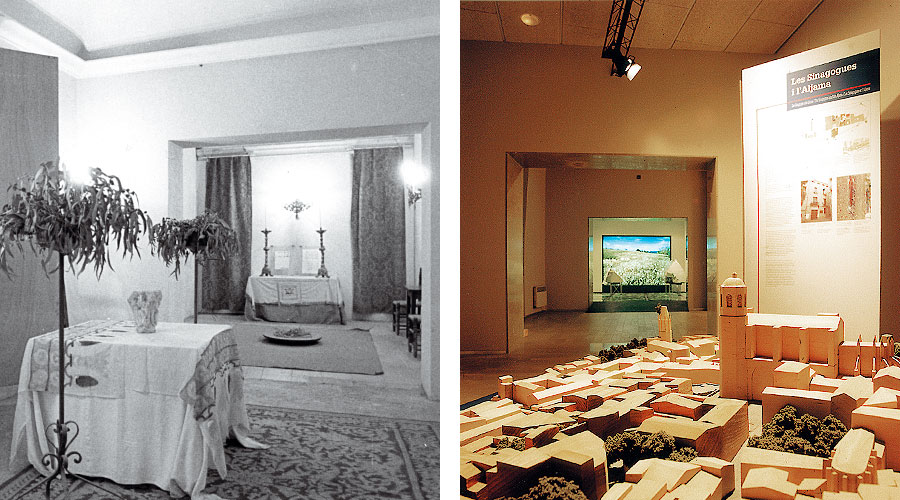
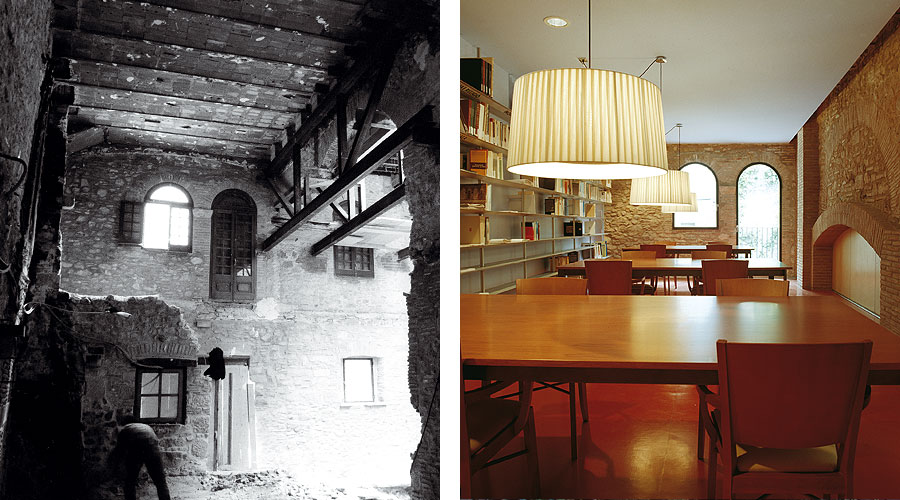
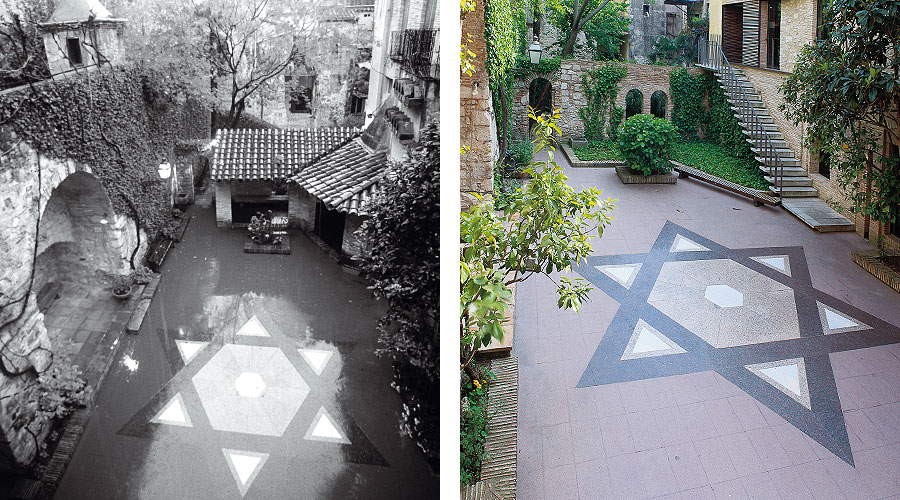
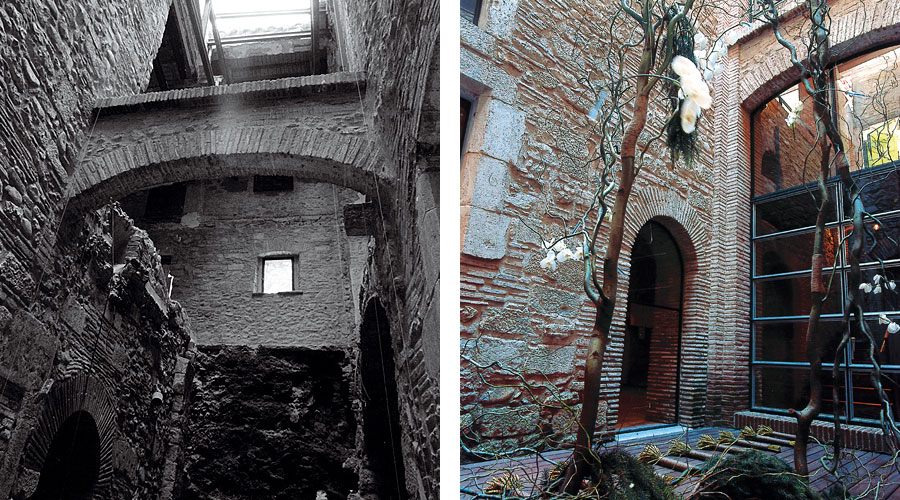
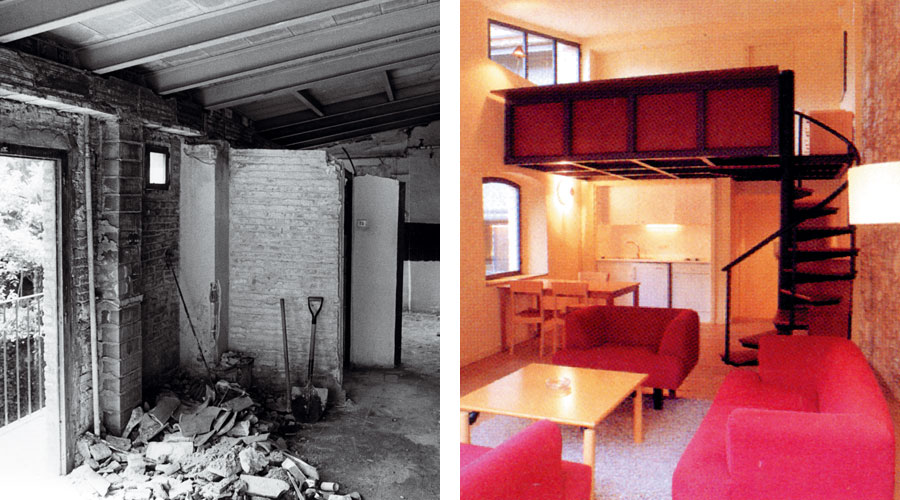
History of a Restoration
The Bonastruc ça Porta Centre occupies the site that, in the 15th century, housed the synagogue and the communal institutions of the city's Jewish community.
After the expulsion of the last Jewish inhabitants of Girona in 1492, the building remained in private ownership until the 1980s, when it was restored and transformed into what is today the centre for the preservation and promotion of the city's Jewish heritage.
Its story begins with the settlement of twenty-five Jewish families in Girona in 898 and continues until 1492, the year of the edict of expulsion. During their centuries in Girona, the Jewish community was an integral part of the city's society. Between the 11th and 13th centuries, it developed an exceptionally high cultural level and was home to the most important Kabbalistic school in medieval Western Europe. The community also played a key role in the city's economic and commercial development and today lives on through the preservation and promotion of the heritage and culture of the Jewish Quarter.
The current museum project, designed by the Girona-based architectural firm BCR Arquitectes, has unfolded in three main phases. The first took place in 2000, with the opening of the galleries housing the outstanding collection of Hebrew-inscribed funerary stones from the Jewish cemetery of Montjuïc, owned by the Government of Catalonia. The second phase followed in 2003, with the inauguration of spaces dedicated to the Jewish quarters and their most emblematic buildings, as well as to celebrations, religious practice, liturgy, festivals and other aspects of Jewish ritual life. The third phase was completed in 2007 with the opening of new galleries devoted to the brilliance of Catalan Jewish culture and to the complex relationship between Jewish and Christian communities.


Patronat Call de Girona • C. de la Força, 8 - 17004 GIRONA • Tel. 972 216 761 • callgirona@ajgirona.cat